What is specialty coffee and how to recognize it
What is specialty coffee is a question more and more consumers ask when they walk into a premium café and see prices different from the supermarket, or when they hear terms like "floral notes," "natural process," or "microlot." The answer has a precise technical dimension and an experiential one that is equally important.
Specialty coffee, in its most concrete definition, is coffee that has achieved a score of 80 points or more on the Specialty Coffee Association (SCA) evaluation scale, assessed by a Q Grader — an internationally certified cupper — following a standardized protocol. Below 80 points, no matter how good the beans may seem, the industry does not classify it as specialty. From 80 upward we enter that territory; coffees that exceed 85 are considered excellent, and those approaching or surpassing 90 are true limited-production gems.
Definition and SCA score
The SCA (Specialty Coffee Association) is the international reference organization for the industry. Its evaluation protocol, known as the cupping protocol, analyzes coffee in the cup under controlled conditions, assigning points across ten attributes:
- Fragrance/Aroma: the smell of the dry coffee and after brewing.
- Flavor: the combined impression of all tastes.
- Aftertaste: the persistence and quality of flavor after swallowing.
- Acidity: not a flaw but a positive characteristic when well integrated; it can be citric, malic, tartaric, etc.
- Body: the texture or weight of the coffee in the mouth.
- Balance: how all the attributes interact and complement each other.
- Uniformity: consistency across the different cups of the same sample.
- Clean cup: absence of foreign or defective flavors.
- Sweetness: the presence of natural fruit sweetness.
- Overall: the cupper's holistic rating.
The theoretical maximum is 100 points. In practice, the world's best coffees score around 92–94, and a coffee at 88–90 is already extraordinarily good.
Differences from commercial coffee
The coffee sold in supermarkets, used in office machines, or sold under generic labels is mostly Robusta or low-grade Arabica blends, designed for consistency, affordability, and functionality. There is nothing wrong with that coffee if you are only after caffeine, but the sensory experience is radically different.
The main differences are:
Origin and traceability: Specialty coffee always has a known and traceable origin. You know which country, region, farm, or even specific lot it comes from. Commercial coffee is typically a blend of multiple origins whose composition is not disclosed.
Bean quality: Specialty coffee uses certified-score Arabica beans. Commercial coffee frequently includes Robusta (more bitter, more caffeine, less aromatic complexity) and lower-grade Arabica, plus beans with defects permitted within broader tolerances.
Processing: In specialty coffee, the processing method (washed, natural, honey) is a deliberate decision aimed at developing the cup profile. In commercial coffee, processing is optimized for yield and efficiency, not sensory expression.
Roasting: Specialty coffee is generally roasted at medium or medium-light to preserve the flavors of origin. Commercial coffee is often dark-roasted, which homogenizes flavors and masks bean defects.
Barismo: Extraction at a specialty café follows technical parameters — precise water temperature, calibrated coffee-to-water ratio, controlled time. These variables matter enormously to the final result.
How to recognize it
Identifying specialty coffee in the cup does not require expertise. There are clear signals:
Flavor complexity: Specialty coffee has layers. In the first sip you notice one thing; as it cools slightly you notice another. Commercial coffees are one-dimensional — bitter or neutral, with no evolution in the cup.
Integrated acidity: The acidity in specialty coffee is not aggressive or unpleasant. It is bright, like a touch of fruit or citrus that enlivens the cup. If the acidity hurts or feels flat, it is probably not specialty.
Aftertaste: A good specialty coffee leaves a pleasant aftertaste that can last minutes — notes of dried fruit, caramel, chocolate, or flowers. Commercial coffee leaves a residual bitterness that many people try to mask with sugar.
Natural sweetness: Specialty coffee has its own sweetness, without added sugar. This is the most democratic signal: anyone, without prior training, can notice whether a coffee is intrinsically sweet or not.
Cleanliness: A clean cup has no strange flavors — no earthiness, mustiness, mold, or rancidity. Cleanliness is one of the most direct indicators that the processing was well executed.
Taste it in Pereira
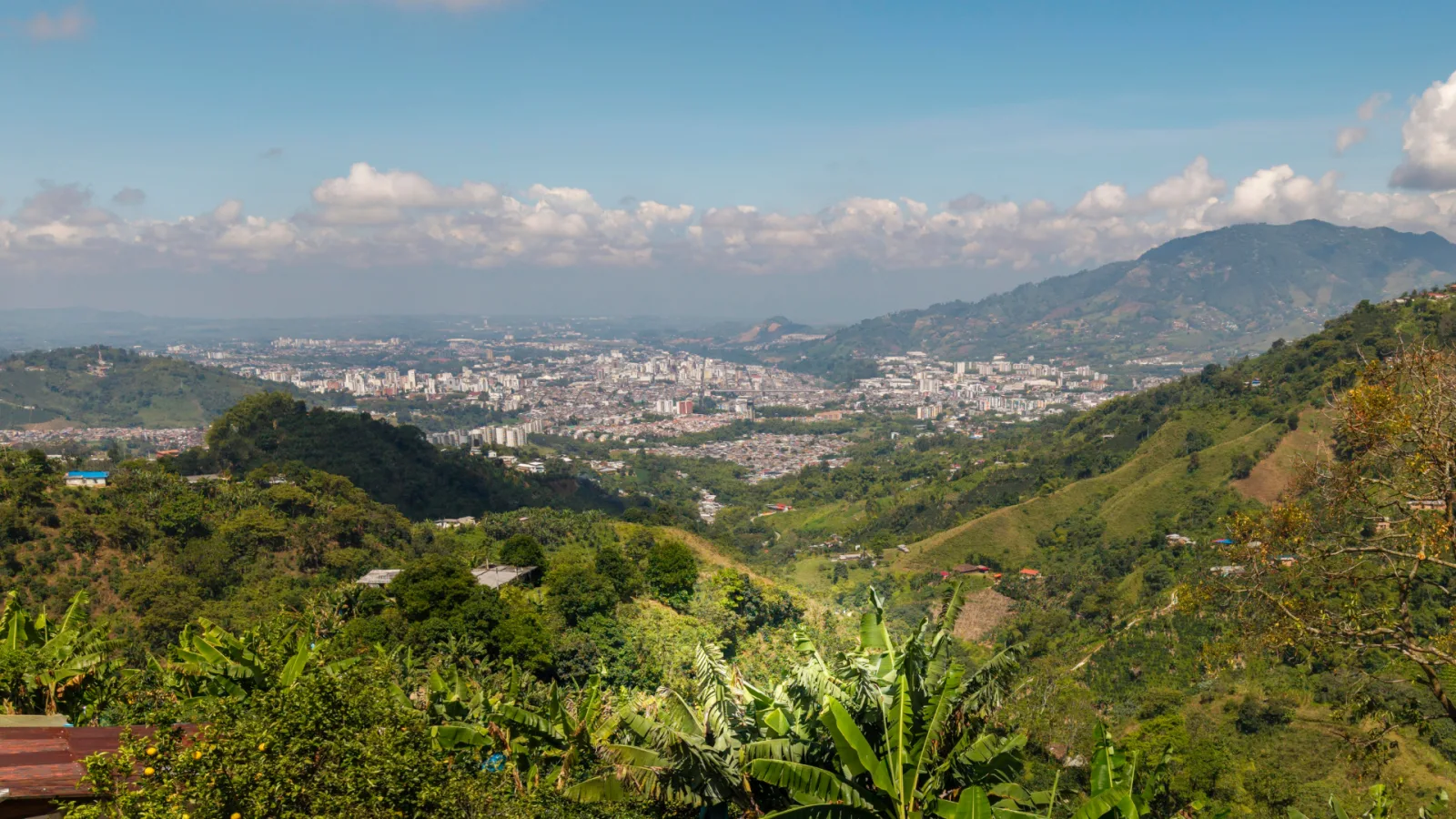
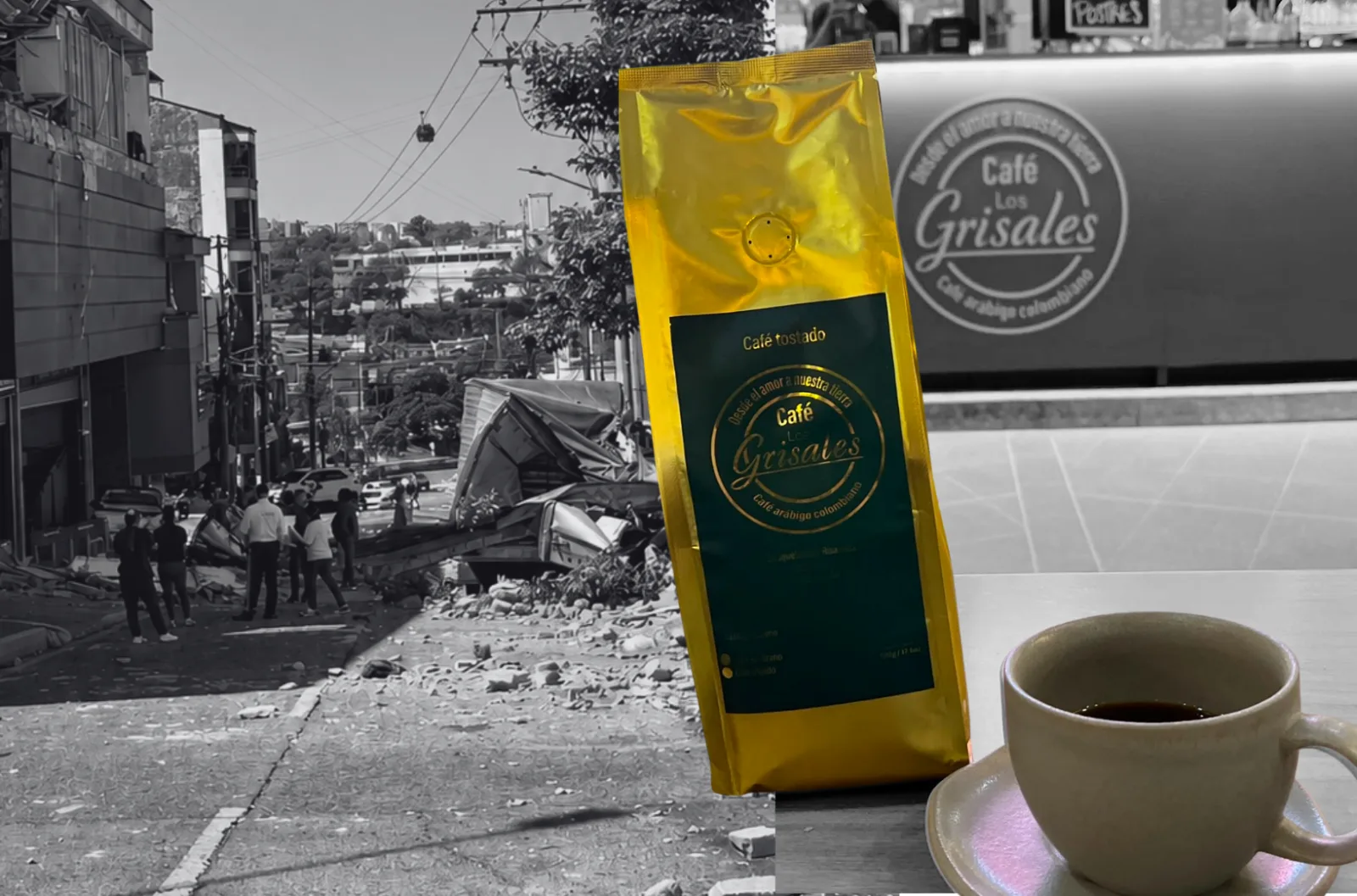
The best theory is the kind you verify in practice. If you want to find out firsthand what specialty coffee tastes like, we invite you to visit our shops in Pereira, where we offer beans from our own family farm in the Eje Cafetero, crafted with the three main processing methods described above.
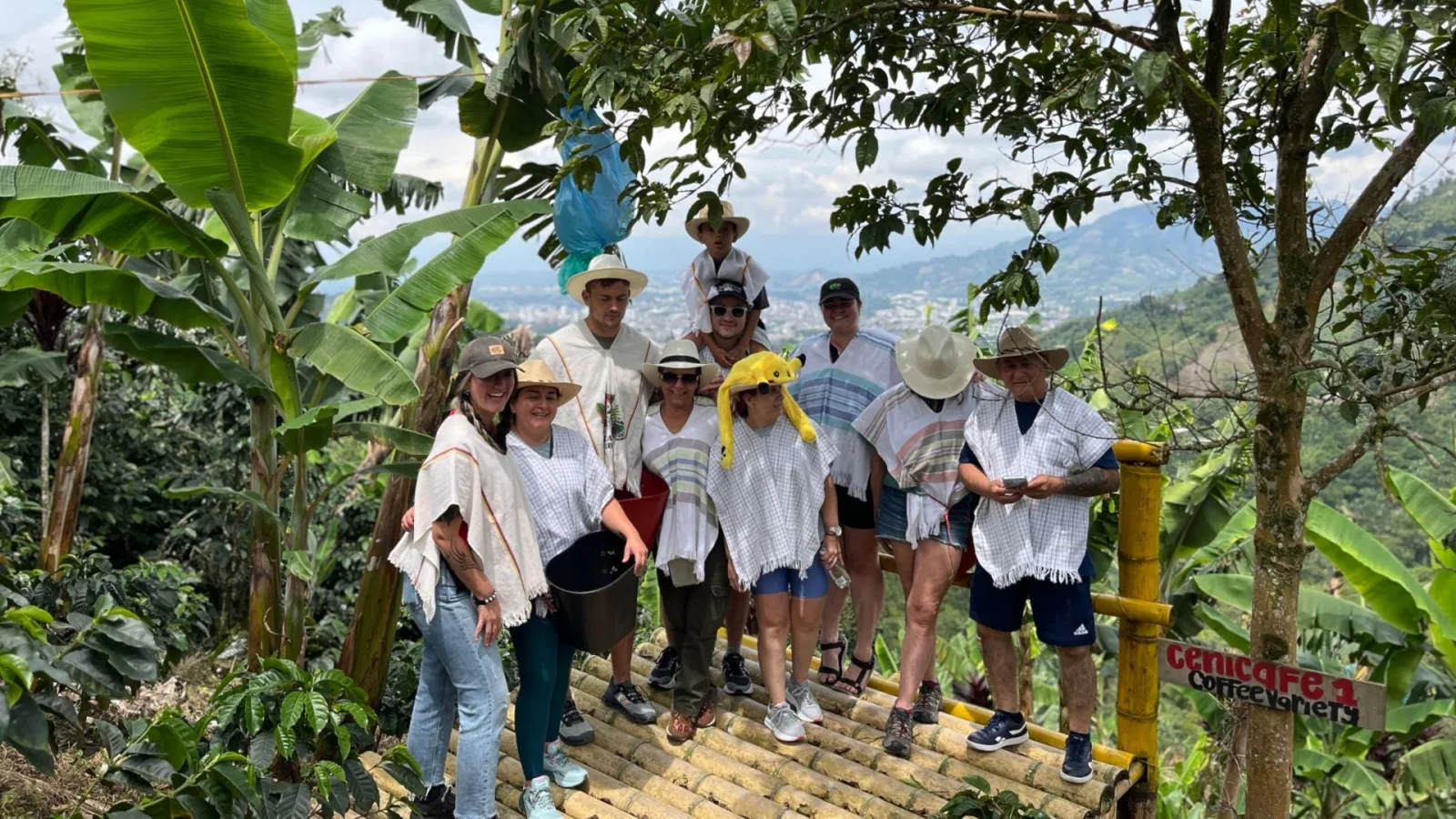
Our baristas are trained to guide you through the experience: arrive with curiosity and questions, and you will get answers — and probably a small demonstration. And if you want to go deeper, our Coffee Tour takes you directly to the farm so you can see with your own eyes where those notes come from before you identify them in the cup.
To learn more about our specific offer in Pereira, read our article on specialty coffee in Pereira, where we detail the work we do on our farm and how we express it in the cup.
Specialty coffee is not exclusively for insiders. It is for anyone who wants to drink something better and understand why it tastes different.
Frequently asked questions
What is specialty coffee exactly?
Specialty coffee is coffee that scores 80 points or higher on the Specialty Coffee Association (SCA) scale, as evaluated by certified tasters. It requires traceability from the farm, selective harvesting, controlled processing, and careful preparation in the cup.
How does specialty coffee differ from commercial coffee?
Commercial coffee typically blends beans from different origins and quality levels to standardize a uniform flavor. Specialty coffee, on the other hand, has its own identity: you know which farm it comes from, who grew it, which variety it is, and how it was processed. That traceability is what makes unique and complex flavors possible.
What is the SCA scale and how is specialty coffee scored?
The Specialty Coffee Association (SCA) developed a cupping protocol that evaluates coffee on attributes such as aroma, flavor, aftertaste, acidity, body, balance, sweetness, and uniformity, among others. Certified tasters (Q Graders) perform the evaluation, and any coffee that reaches 80 points or more out of 100 earns the specialty category.
Where can I taste specialty coffee in the Eje Cafetero?
At Café Los Grisales you can taste it at our shops in Pereira (Pereira Plaza and Unicentro Pereira) or on our Coffee Tour at the farm, where Eje Cafetero specialty coffee comes to life through the complete journey from bean to cup.